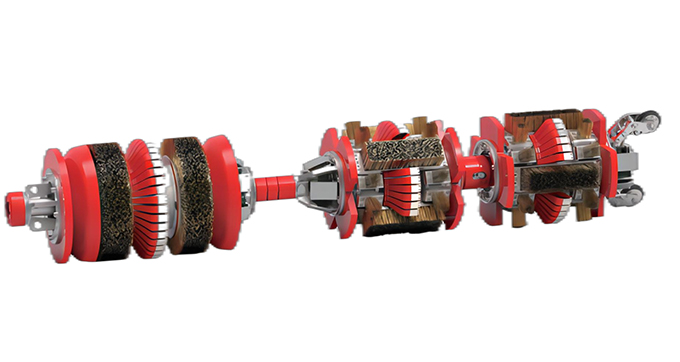
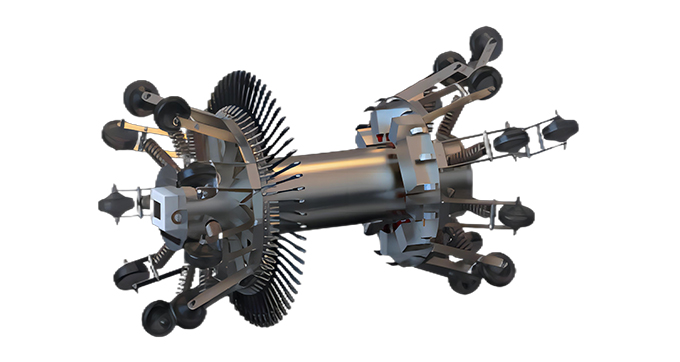
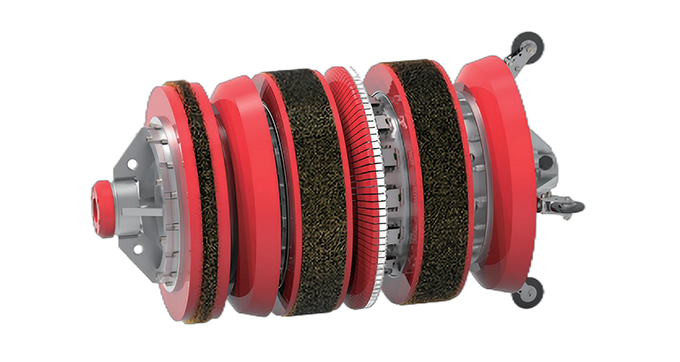
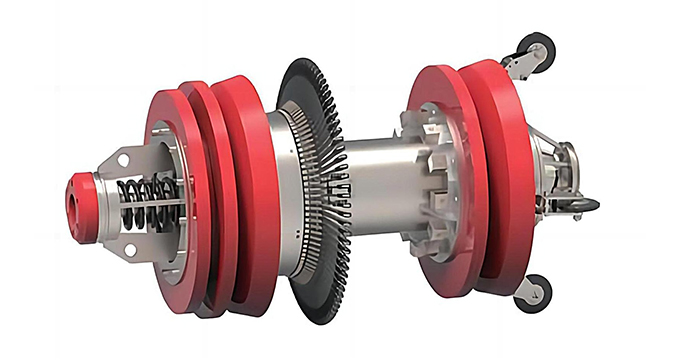
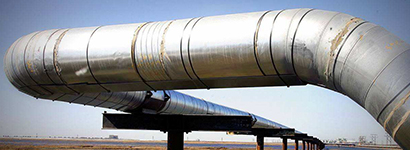
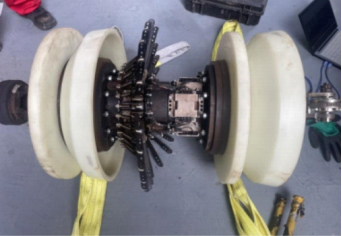
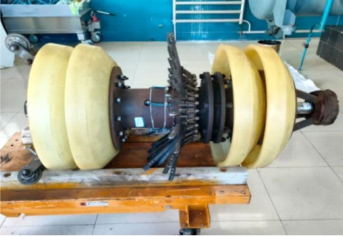
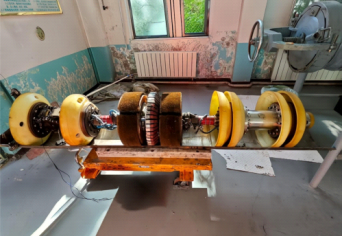
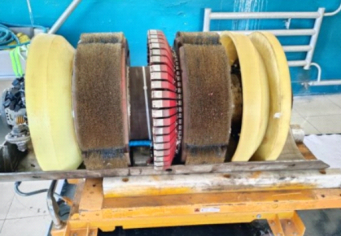
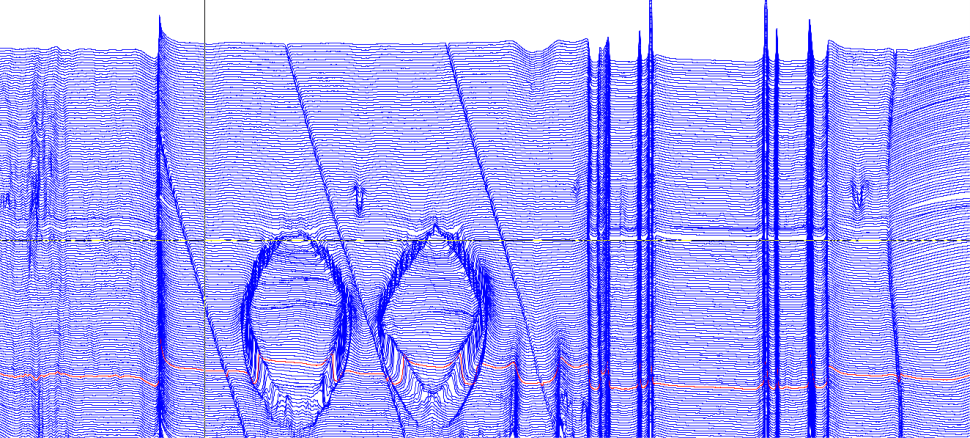
On September 19, 2025, IP Pipeline Technology (hereinafter referred to as "IP") announced that the in-line inspection project for crude oil transmission pipelines in Daqing Oilfield, which kicked off on September 12, had successfully completed all inspection tasks in accordance with the preset technical standards after 8 days of standardized operations.Both the integrity of inspection data and the accuracy of defect identification have met the project requirements. This inspection covered two crude oil transmission pipelines in Daqing Oilfield, with diameters of 529mm and 630mm, and pipeline lengths of 28 km and 30 km respectively. These two pipelines have been in long-term service: the 529mm pipeline was commissioned in 1971 and has been in continuous operation for 54 years; the 630mm pipeline was put into use in 1991, with a service life of 34 years. Prolonged transportation of crude oil and the impact of natural environment have increased potential risks such as pipeline geometric deformation and corrosion defects. Conducting a comprehensive in-line inspection is a necessary prerequisite for evaluating pipeline structural integrity and formulating maintenance strategies. During the project execution, the IP team faced two core technical challenges. First was the problem of inspection tool adaptability. Both 529mm and 630mm are non-standard pipeline diameters, meaning the company's existing inspection tool could not be directly put into use. Second was the structural hidden danger of the pig receiver. The tee structure of this part lacks standard retaining strips. The client told IP that during their cleaning pigging operations, the cleaning pigs were frequently sucked into the tee, resulting in damage. If the in-line inspection tool encounters the same problem, it will lead to tool damage and loss of inspection data, directly affecting the project schedule and data validity. To address the challenge of non-standard pipeline diameters, the IP technical team carried out targeted tool modification work. By analyzing pipeline inner diameter parameters, medium flow rate and operating pressure, the technical personnel redesigned and calibrated the mechanical support structures and sensor probe spacing of the caliper and MFL. We also completed pull through test to verify the operational stability and inspection accuracy of the modified equipment in the same situation pipelines, ensuring that the modified tool fully meets the inspection requirements. | |||
|
|
|
|
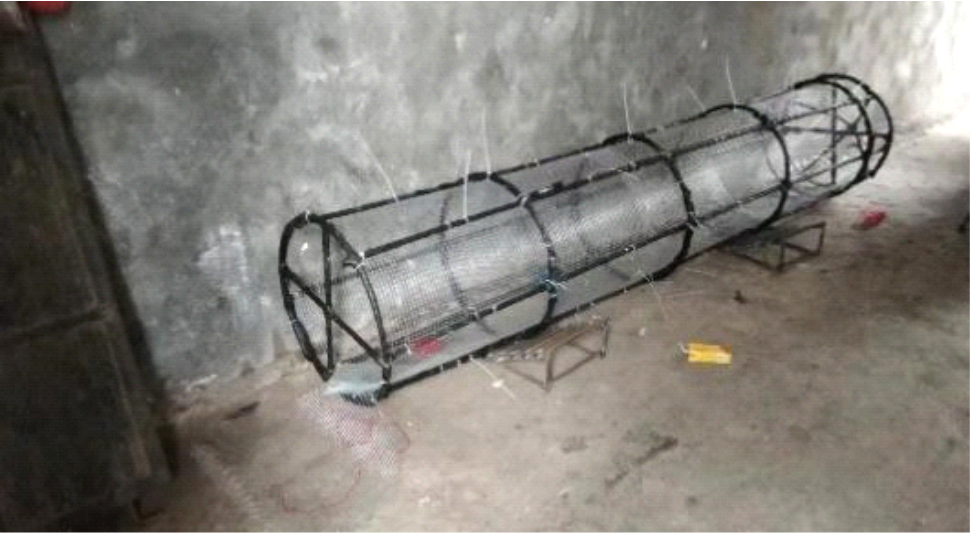
To address the structural risks associated with the tee of the pig receiver, the IP team adopted a dual-protection technical solution. At the hardware level, customized dedicated pig trap cage were fabricated based on the dimensions of the pig receiver and its tee, and installed at key internal positions of the pig receiver to form a physical barrier, preventing the detectors from being drawn into the tee during the pig receiving. At the detector operation level, leveraging the stable flow rate of crude oil transportation, the team accurately calculated the detector’s running speed to predict the exact time point of its arrival at the pig receiver in real time. When the detectors were about to reach the pig receiver, the team promptly notified the client to reduce pipeline flow rate and pressure, and shut down the pig-receiving process the instant the equipment entered the pig receiver, thus eliminating the risk of detector damage caused by prolonged adsorption. |
| ||
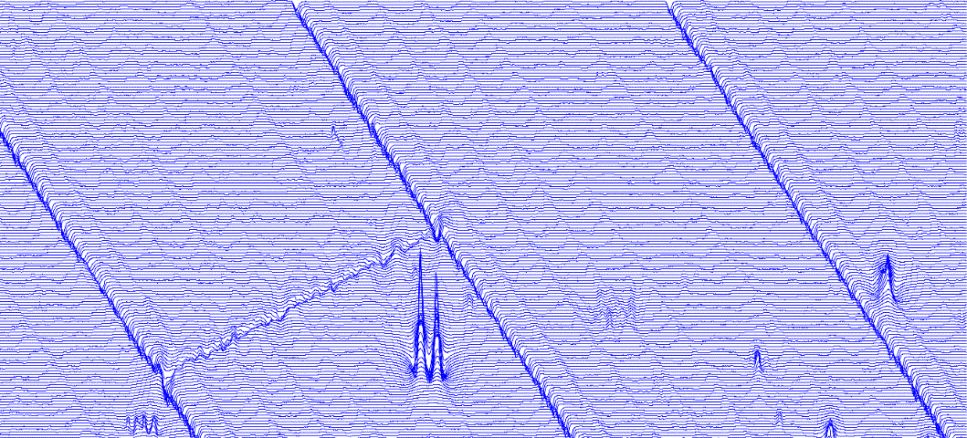
Under this dual-protection mechanism, the IP team successfully completed the in-line inspection operations using both the caliper and the MFL. Upon completion of the inspection, the technical personnel immediately conducted a comprehensive functional and mechanical check of all detectors, confirming that all detectors were intact and undamaged. Subsequently, the collected inspection data underwent meticulous verification. The results indicated that the data integrity rate reached 100%, with clear and accurate defect identification.This has provided high-quality data support for pipeline corrosion level assessment, structural integrity analysis, and the formulation of subsequent maintenance plans. | |||
| |||
| |||
IP Pipeline Technology has been diligently researching and refining in-line inspection technologies, overcoming various technical challenges in in-line inspection, and accumulating extensive experience in in-line inspection projects. Looking ahead, IP will continue to focus on the R&D and application of in-line inspection technologies for oil and gas pipelines, provide professional and reliable inspection services to global oil and gas pipeline operators, and contribute to the safe and efficient operation of global oil and gas operation networks. | |||